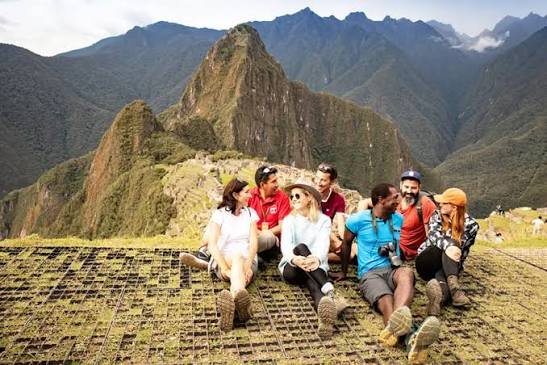
Adventure travel has changed. The image of the lone backpacker figuring everything out on the road still exists, but a growing number of travellers — including experienced ones — are choosing organised tours for their biggest trips. In 2026, with multi-country journeys more popular than ever, that shift makes practical sense. When a single holiday crosses borders, languages, and time zones, having experts handle the moving parts can be the difference between a stressful itinerary and a seamless one.
The Appeal of a Multi-Country Journey
Combining countries in one trip offers variety that a single destination rarely matches. Travellers might pair a safari in Tanzania with beach days in Zanzibar, link Peru’s Sacred Valley with the Galápagos, or string together Vietnam, Cambodia, and Thailand in one Southeast Asian loop. The appeal is obvious: one long-haul journey, several contrasting cultures, landscapes, and cuisines.
The logistics, however, multiply quickly. Every border adds visas, transfers, currency changes, and connections that do not always line up. A missed flight or a closed border post can unravel days of planning. This is exactly where organised tours earn their keep. Companies such as World Adventure Tours build these routes repeatedly, so they know which crossings run smoothly, which regional flights are reliable, and how long each leg genuinely takes — knowledge that is hard to gather from guidebooks alone.
How to Pick a Reputable Operator
Not all operators are equal, so a little homework matters. Start with transparency: a reputable company publishes clear itineraries, states exactly what is included and excluded, and prices trips without hidden local payments sprung on you later. Look for small group sizes, named local guides, and evidence of proper licensing and insurance.
Reviews deserve a careful read. Look beyond the star rating to comments about how problems were handled, because something eventually goes wrong on almost every adventure — a delayed train, a washed-out road — and a good operator’s worth shows in the fix, not the brochure. It is also worth checking a company’s responsible-travel credentials: whether it employs local staff fairly, supports conservation, and keeps money in the communities visited. Travellers increasingly treat these as deciding factors, not extras.
Safety, Logistics, and Honest Value
Safety is the other major reason travellers book organised adventures. Reputable operators monitor conditions on the ground, use vetted drivers and equipment, carry communication tools in remote areas, and maintain evacuation plans that independent travellers would struggle to arrange. For activities such as mountain trekking, rafting, or wildlife encounters, trained guides and proper gear are not luxuries; they are the foundation of the experience.
Who Organised Tours Suit Best
Organised adventures are not only for beginners. They suit anyone whose time is limited and precious: professionals with three weeks of leave who cannot afford to lose two days to a booking mistake, families who want expert supervision for activities, and solo travellers who enjoy built-in company on long routes. Older adventurers, too, increasingly choose small-group tours that keep the challenge of the journey while removing its heaviest lifting, from luggage handling to altitude logistics.
There are also destinations where going with an operator is simply the sensible default. Remote regions with limited infrastructure, countries where permits are rationed or must be applied for months ahead, and journeys involving private charters or specialist equipment all reward professional planning. In such places, the operator’s local relationships — with rangers, boat crews, mountain teams, and village hosts — open doors that independent visitors rarely find.
Value, finally, is often misunderstood. A tour price looks higher than a do-it-yourself estimate until the hidden costs appear: private transfers, park fees bought at the gate, single supplements, and the hours spent booking it all. Group rates on lodges and transport frequently close the gap entirely. What travellers are really buying is time — time on the trail, at the viewpoint, and around the campfire, instead of time on hold with an airline. For the big, ambitious trips that define 2026, that trade feels increasingly easy to make.