Planning a Nepal Trekking Adventure in 2027
More trekkers every year are skipping the crowded headline trails and asking a different question: where in Nepal can I still find some space? Fair question. Nepal has its famous Everest corridor, but it also has high passes that test your legs and remote villages where life still follows the yaks and the seasons. The Everest Three Passes Trek and the Nar Phu Valley Trek sit at opposite ends of that range. One is tough and dramatic. The other is quiet and deeply cultural.
Both look simple on a map, and neither is. Permits, acclimatisation, teahouse availability and weather all shape how the trip actually goes. A good trekking company in Nepal can take a lot of that weight off your shoulders. This guide covers both routes, what a decent package should include, and how to choose for 2027.
Nepal’s Himalayan Trekking Landscape: What Makes 2027 Worth Planning For?
Beyond the Popular Everest and Annapurna Routes
Nepal’s trekking regions feel almost like different countries. The Khumbu is Sherpa territory, with well-worn trails, bakeries in Namche and lodges that are usually easy to find. Nar and Phu, tucked behind the Annapurna range, are another story. Stone villages, fewer lodges, and a much stronger Tibetan feel.
Altitude, season, trail condition and where you sleep each night all affect the plan. So choose a route that matches your fitness, the days you actually have, and any high-altitude experience you’ve already got. Picking a trek because it looks good on Instagram is how people end up turning back at 4,500 metres.
Everest Three Passes Trek: A Challenging Journey Through the Khumbu Region
Understanding the Three High Mountain Passes
The Everest Three Passes Trek is a demanding loop through the Khumbu that crosses three high passes: Kongma La at 5,535 metres, Cho La at 5,368 metres and Renjo La at roughly 5,360 metres. Each one is a long day with steep climbing, loose rock and sometimes ice or snow near the top. Together they make the circuit one of the hardest standard treks in the Everest region.
Route, Villages and Mountain Highlights
Most itineraries run through Lukla, Namche Bazaar, Tengboche, Dingboche, Chhukung, Lobuche, Gorakshep, Gokyo and Thame. Acclimatisation days around Namche and Dingboche aren’t optional extras. They’re what keep the rest of the trek possible.
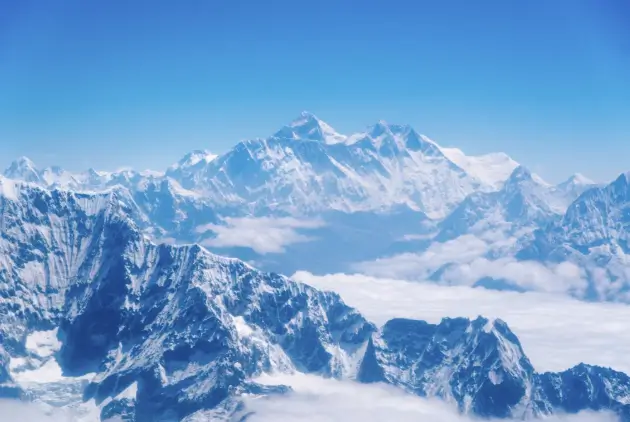
Depending on how the days are arranged, you can fit in Everest Base Camp, Kala Patthar and the Gokyo Lakes. Expect huge glaciers, traditional Sherpa settlements and old Buddhist monasteries along the way, with Everest, Lhotse and Ama Dablam showing up when the clouds allow.
Who Should Consider This Trek?
This one suits people with solid fitness and some previous trekking behind them. Three passes in a row means long days at altitude, and you need to be honest about how your body handles that. Flexible itineraries and experienced guides matter here, because mountain weather changes fast and a pass that’s fine on Tuesday can be closed by Thursday.
Nar Phu Valley Trek: Discovering One of Nepal’s Remote Himalayan Regions
Where Is Nar Phu Valley and What Makes It Different?
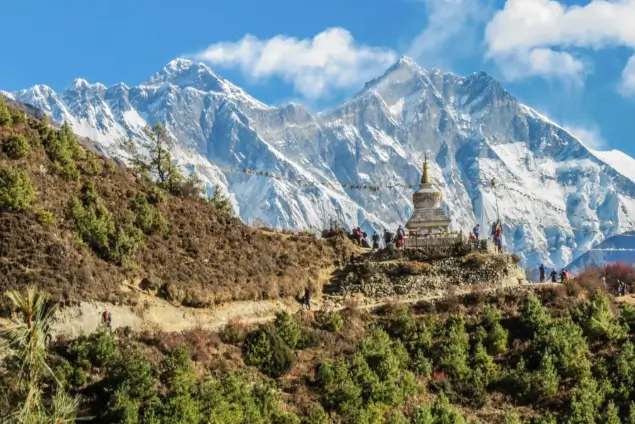
The Nar Phu Valley Trek heads into two remote settlements in the Annapurna region that most visitors never see. It’s a restricted area, so you’ll need special permits arranged in advance. The scenery shifts quickly: narrow gorges first, then wide high valleys, stone houses stacked against the hillsides, and big mountains on every side.
Cultural Experiences Along the Trail
Tibetan-influenced traditions are everywhere here. You’ll pass Buddhist monasteries and long prayer walls, and see daily village life that hasn’t been rearranged for tourists. Phu and Nar are the two main cultural stops, and both reward slow walking and a bit of curiosity. Ask before taking photos, walk clockwise around prayer walls, and treat the communities as homes rather than attractions.
That remote cultural character is really what sets the Nar Phu Valley Trek apart from busier trails.
Route Highlights and Thorong La Connection
A typical route moves through Koto, Meta, Phu, Nar and Ngawal. The crossing of Kang La, at about 5,320 metres, gives some of the best panoramas of the whole trek. Depending on your itinerary, the route can also link up with the Annapurna Circuit, so you can finish over Thorong La if you have the extra time.
Choosing a Trekking Company In Nepal: Why Local Expertise Matters
What Experienced Local Guides Bring to a Trek
Local guides know the trail, read the weather, and notice altitude problems before you do. They handle communication, emergency coordination and route changes when conditions shift. Restricted-area treks like Nar Phu also need careful permit handling, and getting that wrong can end a trip before it starts. There’s a real gap between a basic trekking arrangement and a properly organised guided experience, and you tend to feel it on day six, not day one.
Evaluating a Trekking Agency Before Booking
When you’re choosing a Trekking Company In Nepal, start with the basics. Check the company’s registration and operating credentials. Ask what experience the guides have on your exact route. Confirm what’s covered for accommodation, transport, meals and permits, and get clear answers on cancellations, emergency procedures and who handles insurance.
Nepal Trekking Packages for 2027: What Should Be Included?
Understanding the Main Package Components
Before comparing packages, look at what’s actually inside them. A solid package normally covers airport pickup and hotel nights, domestic transport and any flights, a licensed guide and porter service, trekking permits and restricted-area permits where needed, teahouse stays and meals as listed, ground transfers, and emergency support during the trek.
Comparing Everest Three Passes and Nar Phu Packages
The two routes differ in length, difficulty, guide requirements and logistics. Private and group departures are available on both, depending on the operator, and group size and service level can move the price quite a bit. Ask for a detailed written itinerary rather than judging packages by the advertised number alone.
Adventure Great Himalaya: Local Trekking Support
Adventure Great Himalaya is a Nepal-based trekking company that arranges Himalayan treks, from itinerary planning to on-the-ground support. Local guiding knowledge counts for a lot on routes like these. Whoever you choose, talk through your preferred route, fitness level, available time and service expectations before finalising anything.
Best Seasons for Nepal Trekking in 2027
Spring and Autumn Trekking Conditions
Spring (March to May) and autumn (September to November) are the usual choices, with better visibility, steadier temperatures and more reliable trails. Even then, high passes can turn difficult after snowfall or in unsettled weather.
Winter and Monsoon Considerations
Winter brings serious cold, deep snow and the chance of closed routes. Monsoon means rain, slippery paths, thick cloud and transport delays. Check current conditions before you leave rather than trusting a fixed calendar.
Practical Preparation: Permits, Fitness, Accommodation and Budget
Permits and Trekking Regulations
Check the current permit rules for both the Everest and Nar Phu regions. Nar Phu needs a restricted-area permit, plus the accompanying-guide requirements that come with it. Regulations can change, so confirm the details for 2027 before you travel.
Physical Preparation and Altitude Acclimatisation
Build cardio, practise uphill walking and add some strength work. Back-to-back trekking days are harder than any single hike. Gain altitude gradually, use your acclimatisation days, and learn the early signs of altitude sickness. Keep the itinerary flexible, too.
Accommodation, Food and Essential Equipment
Teahouses are simple, and remote villages are simpler still. Pack warm layers, a good sleeping bag, well-worn footwear and your own medication. Carry enough cash as well, since cards rarely work in the mountains.
How to Choose Between Everest Three Passes and Nar Phu Valley
The Everest Three Passes Trek suits experienced trekkers who want several high crossings in one go. Nar Phu suits people drawn to remote settlements and Tibetan-influenced culture. Neither is “better.” Your time, fitness, experience and interests should make the call.
Frequently Asked Questions About Nepal Trekking in 2027
Is the Everest Three Passes Trek suitable for beginners?
Not really. It calls for good fitness and some previous high-altitude trekking.
How many days are needed for the Nar Phu Valley Trek?
It depends on your starting point, acclimatisation and itinerary, so ask your operator for a day-by-day plan.
Do I need a guide for Nar Phu Valley?
Yes. It’s a restricted area, and the permit rules include guide requirements.
When should I book a Nepal trekking package for 2027?
Early is better, particularly if you’re set on specific dates or a group departure.
What should I check before booking a trekking company in Nepal?
Credentials, guide experience, permits, inclusions and emergency arrangements.
Plan a More Meaningful Himalayan Journey in 2027
Pick the route that fits you, learn a little about the local culture, and prepare properly. Do that with a locally experienced team, and the trek itself takes care of the rest.