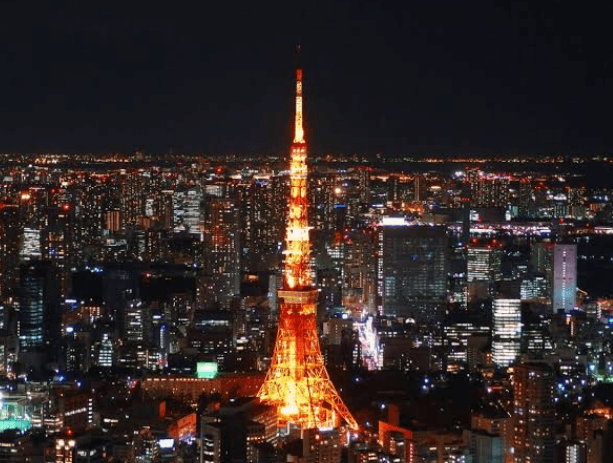
Tokyo, the bustling capital of Japan, is a city that seamlessly blends traditional culture with cutting-edge technology. Tourists flock to Tokyo to experience its vibrant neighborhoods, delicious cuisine, and unique attractions. From the serene gardens of the Imperial Palace to the bustling streets of Shinjuku, there is something for everyone in this dynamic city. Whether you want to sample sushi at the world-famous Tsukiji Fish Market or shop until you drop in the trendy district of Shibuya, Tokyo has something to offer every type of traveler. Don’t miss the chance to visit iconic landmarks such as the Tokyo Tower, Meiji Shrine, and Senso-ji Temple, all of which showcase the rich history and heritage of this incredible city.
Cathay Pacific provides a flight service from Taipei To Tokyo , making it easy for travelers to reach this exciting destination. With top-notch customer service and comfortable amenities, Cathay Pacific ensures that your journey to Tokyo is as pleasant as possible. Once you arrive in Tokyo, you can explore the city at your own pace, taking in the sights and sounds of this vibrant metropolis. Whether you’re interested in sampling delicious street food in Harajuku or marveling at the cherry blossoms in Ueno Park, Tokyo offers a plethora of experiences for tourists to enjoy. With its unique blend of ancient traditions and modern innovation, Tokyo is a city that will captivate and inspire you at every turn.
Shibuya Crossing
Shibuya Crossing, located in Tokyo, Japan, is one of the busiest pedestrian crossings in the world. This iconic intersection is a popular tourist destination, known for its chaotic yet organized sea of people crossing in all directions at once. With multiple lanes of traffic stopping to allow pedestrians to cross, the sight of thousands of people moving in unison is a mesmerizing and unique experience that captures the essence of Tokyo’s bustling city life.
The sheer volume of people that pass through Shibuya Crossing each day is staggering. On average, over 2,500 pedestrians cross the intersection during peak hours, creating a vibrant and lively atmosphere that is unparalleled in its energy and excitement. As a major transportation hub in Tokyo, Shibuya Crossing serves as a gateway to the city’s shopping, dining, and entertainment districts, making it a popular gathering place for both locals and tourists alike.
The Shibuya Crossing experience is not just about crossing the street; it is about immersing oneself in the pulsating rhythm of Tokyo’s urban landscape. From the moment the traffic lights change and the floodgates of pedestrians are unleashed, the sheer magnitude of the crowds converging in all directions is a sight to behold. The cacophony of sounds, the neon lights reflecting off the glass buildings, and the sheer energy of the bustling crowds all contribute to the sensory overload that is Shibuya Crossing.
Despite the chaos and commotion of Shibuya Crossing, there is a sense of order and harmony to the seemingly chaotic scene. The choreographed crossing of thousands of people at once is a testament to the efficiency and discipline of Japanese culture. As visitors navigate their way through the maze of intersecting pathways, they cannot help but be awed by the sheer spectacle of human movement that unfolds before their eyes. Shibuya Crossing is not just a pedestrian intersection; it is a symbol of Tokyo’s vibrant and dynamic spirit that captivates all who experience it.
Ueno Park
Ueno Park is one of Tokyo’s most popular and beloved green spaces. With a history that dates back to the early 17th century, the park offers a rich cultural experience for visitors of all ages. One of the main attractions in the park is the Ueno Zoo, which is home to over 3,000 animals from around the world. From pandas to elephants, visitors can get up close and personal with a wide variety of creatures.
In addition to the zoo, Ueno Park is also home to several museums and cultural institutions. The Tokyo National Museum, which houses one of the largest collections of Japanese art and artifacts in the world, is a must-visit for history buffs and art enthusiasts alike. The park also boasts the Ueno Toshogu Shrine, a beautifully preserved Shinto shrine dedicated to Tokugawa Ieyasu, the founder of the Tokugawa shogunate.
For those looking to relax and enjoy the natural beauty of Ueno Park, there are plenty of opportunities to do so. The park is filled with cherry blossoms in the spring, making it a popular spot for hanami (flower-viewing) parties. In the summer, visitors can take a boat ride on the Shinobazu Pond or enjoy a picnic on the grassy fields. And in the fall, the park’s trees burst into vibrant hues of red and orange, creating a stunning backdrop for leisurely strolls.
Overall, Ueno Park is a must-visit destination for anyone looking to immerse themselves in Tokyo’s rich cultural history and natural beauty. With its mix of museums, shrines, and outdoor spaces, the park offers something for everyone. Whether you’re a history buff, an animal lover, or simply looking for a peaceful escape from the hustle and bustle of the city, Ueno Park has something to offer.
See also: Chauffeur Private Paris: Experience the Finest Private Chauffeur de Luxe Paris
Senso-ji Temple
Senso-ji Temple, located in Asakusa, Tokyo, is one of the most famous and oldest temples in Japan. The temple is dedicated to Kannon, the goddess of mercy, and is a popular pilgrimage site for both locals and tourists. One of the highlights of Senso-ji Temple is the iconic Thunder Gate, or Kaminarimon, which is the entrance to the temple grounds. The gate is adorned with a massive red lantern and two fearsome guardians, known as Fujin and Raijin, who are believed to protect the temple from evil spirits.
As visitors pass through the Thunder Gate, they are greeted by Nakamise Street, a bustling shopping street lined with traditional shops selling a variety of souvenirs, snacks, and local handicrafts. This street has been a popular destination for pilgrims and tourists for centuries, and it is the perfect place to pick up a souvenir or try some traditional Japanese snacks like senbei (rice crackers) or ningyo-yaki (sweet cakes filled with red bean paste).
Another highlight of Senso-ji Temple is the main hall, or Hondo, which houses a beautiful altar dedicated to Kannon. Visitors can make offerings, say prayers, and receive blessings from the temple priests. The hall is a peaceful and tranquil space, perfect for contemplation and reflection. Surrounding the main hall are several smaller shrines and gardens, including the beautiful Asakusa Shrine, which is dedicated to the three founders of Senso-ji Temple.
Visitors to Senso-ji Temple can also take part in traditional Buddhist rituals and ceremonies, such as omikuji (fortune-telling) and o-mairi (prayer). These rituals offer a unique insight into Japanese culture and spirituality, and they provide a meaningful and memorable experience for visitors. Whether you are seeking spiritual enlightenment, cultural exploration, or simply a moment of peace and quiet, Senso-ji Temple is a must-visit destination in Tokyo.